Pregnancy changes everything—your body, your routine, and most definitely your plate. When I first found out I was pregnant, I promised myself one thing: I would be careful, but I would not stress myself out. I didn’t want to obsess over every little thing.
Instead, I wanted to make mindful choices that made me feel safe, comfortable, and confident. So today, I’m sharing the foods I avoided during pregnancy, why I avoided them, and what I preferred eating instead.
This blog is based solely on my personal experience and comfort level, which is something that worked well for me and kept me at peace throughout my pregnancy.
Why I Became Extra Careful With My Food
The first trimester made me more cautious than ever. Not out of fear, but because I genuinely wanted to give my baby the safest environment possible.
And honestly, the internet doesn’t help — Google has a thousand opinions about foods to avoid in the first month of pregnancy, fruits to avoid during pregnancy, and even what vegetables you shouldn’t eat.
I knew one thing: I didn’t want to panic or stay confused. So, I decided to follow simple, logical precautions… and trust my instincts.
Foods I Avoided During Pregnancy (My Real Story)
These weren’t rules forced on me. They were choices I made because they felt right, and because my doctor encouraged safe, clean eating without unnecessary restrictions.
1. Papaya
I think every Indian woman hears this from her mother or grandmother even before getting pregnant: “Pregnancy mein papita mat khana.” And honestly, papaya is one of the first things that shows up on every list of fruits to avoid during pregnancy.
Even though ripe papaya is considered safe by many, I personally didn’t want even 1% doubt in my mind. The problem was never papaya itself — the confusion was always around how ripe is ripe.
So instead of sitting and analysing the color or texture of a papaya, I simply chose peace of mind and avoided it completely.
2. High-Mercury Fish
I’ve never been someone who eats a lot of seafood, but during pregnancy, I became extra selective. Fish like shark, king mackerel, swordfish, and tilefish are known to have higher mercury content. I didn’t want to take that risk, so I avoided them altogether.
If I ever ate fish, it was always the basic, safer, freshwater variety cooked at home — clean, simple, and comforting.
3. Raw or Undercooked Foods
This category was a big no from my side. I became extremely conscious about how my food was cooked. Sushi was off the list from day one. Eggs were always fully boiled or cooked properly.
Even when we cooked chicken at home, I double-checked that nothing was pink inside. Medium-rare meat, half-boiled eggs, or raw sprouts just didn’t feel safe to me. I remember telling my husband, “If it’s not steaming hot and fully cooked, I’m not touching it.” And I stayed true to that.
4. Unpasteurized Products
During pregnancy, even a simple thing like cheese becomes a whole decision-making process. Soft cheeses like feta, brie, and blue cheese are often unpasteurized, which means they can carry harmful bacteria.
So whenever I bought cheese, I literally stood there reading labels like a detective. If it didn’t clearly say “made with pasteurized milk,” it went straight back on the shelf. Same with milk — no unpasteurized milk under any circumstances.
5. Caffeine (My 200 mg Rule)
I’m a coffee lover, but pregnancy made me rethink that relationship. I didn’t quit coffee completely, but I kept it very controlled. One light coffee a day was my sweet spot.
The tricky part was hidden caffeine — chocolate, cold coffee, iced tea, sodas. So I kept a check on those too. It wasn’t hard; it just made me more mindful.
6. Alcohol & Smoking
This part was easy because I don’t smoke or drink anyway. But pregnancy is a time when even people who drink socially stop completely — and for good reason. For me, this wasn’t a “restriction” but simply something that didn’t exist in my lifestyle.
7. Junk Food & Maida
Pregnancy cravings are REAL, okay? But I still tried to stay away from pizza, maida-based snacks, pastries, burgers — basically everything tempting.
I didn’t eliminate them 100%, because being too strict can also create stress. Especially in my last month, I allowed myself a few things, but always in moderation. I did eat golgappas several times.
Yes, really! But always from a clean, hygienic place and always fresh. Apart from that, I avoided most street foods for safety.
8. Processed Meats
I didn’t eat processed meats regularly, but whenever I did have deli meats or a hot dog, I made sure it was piping hot — not just warmed, but steaming hot. That’s what reduces risk.
9. Unwashed Fruits & Vegetables
This is something we often overlook. I became extremely careful about hygiene. Fruits, especially apples, grapes, and cucumbers — everything was washed thoroughly.
- No pre-cut fruits from outside.
- No raw sprouts unless cooked.
- No salads from restaurants unless I trusted the place completely.
Food safety became a habit, not a burden.
10. Herbal Teas
Herbal teas seem harmless, but many aren’t recommended in pregnancy. So instead of experimenting, I stuck to doctor-approved options only. It just felt safer.
What I Ate During Pregnancy
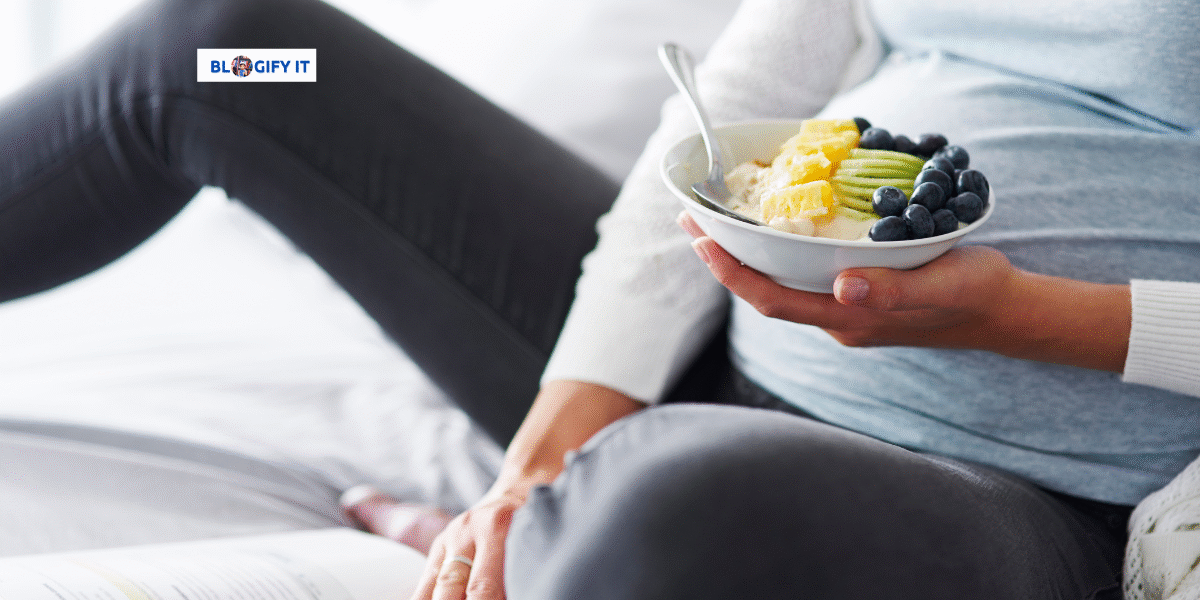
While avoiding all these foods, I made sure my plate was never empty or restrictive. I focused on food that made me feel nourished:
- Fresh fruits (washed well)
- Home-cooked meals
- Protein-rich foods
- Ghee in moderation
- Whole grains
- Plenty of water
- Coconut water
- Homemade chaach
Simple food felt like comfort food. My body responded well to it, too. Now, let me just give you some general guidance that I found on the internet and heard from doctors and other moms. These are commonly recommended foods to avoid during pregnancy, mostly to keep infections, complications, and unnecessary risks away. I’ll explain each one properly so you know why it matters.
Foods to Avoid During Pregnancy (General Guidance)
1. Raw or Undercooked Foods
This includes things like sushi, runny eggs, half-cooked meat, raw sprouts, or even homemade mayonnaise.
Why avoid it: During pregnancy, your immune system becomes slightly weaker so your body can support the baby. That means you’re more prone to foodborne infections like Salmonella, Listeria, or E. coli.
These infections can cause severe dehydration, fever, or complications that you absolutely don’t want to deal with while pregnant. So even if you love a soft sunny-side-up egg or medium-rare steak, it’s safer to eat these things fully cooked for now.
2. High-Mercury Fish
Fish like shark, swordfish, king mackerel, and some varieties of tuna fall into this category.
Why avoid it: Mercury is a heavy metal, and during pregnancy, it can cross the placenta. High levels of mercury can affect your baby’s developing brain and nervous system. It’s not about avoiding fish entirely—just choosing the safer ones like salmon, rohu, catla, or sardines, which give you protein and DHA without the risk.
3. Excess Caffeine
Most doctors suggest limiting caffeine to about 200 mg a day—roughly 1 small cup of coffee or 2 cups of tea.
Why avoid too much? Caffeine travels through the placenta, and your baby’s system can’t break it down yet. Too much caffeine has been linked to miscarriage risk and low birth weight. Plus, it can worsen pregnancy symptoms like nausea, anxiety, rapid heartbeat, and acidity. So it’s not that coffee is banned—just be mindful of how much you’re taking.
4. Alcohol
A lot of women wonder if a “small amount” is fine, but research still hasn’t proven any safe level during pregnancy.
Why avoid it: Since alcohol crosses the placenta, even tiny amounts can affect fetal development, especially brain development. To stay on the safe side, most doctors recommend avoiding alcohol entirely during pregnancy.
5. Unpasteurized Milk or Cheese
This includes raw milk, soft cheeses made from unpasteurized milk, or homemade dairy products that haven’t been boiled properly.
Why avoid it: Unpasteurized products may contain Listeria, a dangerous bacterium that pregnant women are more vulnerable to. Listeria infections are rare but serious—they can cause miscarriage, preterm birth, or severe illness. So just make sure your milk is boiled and your dairy products come from trusted brands.
6. Unwashed Produce
Even fruits and vegetables can carry bacteria if not washed properly.
Why avoid it: Soil, pesticides, and tiny microorganisms can stick to the surface of fresh produce. These can cause infections or stomach issues that are harder to recover from in pregnancy. A simple wash under running water (or soaking in salt water/vinegar water) makes a big difference.
7. Certain Herbs or Herbal Teas
Some herbal teas and Ayurvedic herbs may not be safe unless your doctor approves them.
Why avoid it: Certain herbs can affect your hormones or stimulate uterine contractions. Many herbal products don’t mention all their ingredients, making it hard to know what you’re consuming. So it’s better to stick to safe, doctor-approved teas like ginger, lemon, or chamomile in moderation.
Final Thoughts
Pregnancy taught me that even the smallest choices can have the biggest impact—not just on your baby, but on your peace of mind. For me, being mindful wasn’t about fear or restrictions; it was about caring for myself in the gentlest way possible.
These were my comfort-based decisions, the things that helped me feel safe and supported. But every pregnancy is unique, and every mom has her own intuition.
So listen to your body, trust your instincts, and never hesitate to check with your doctor if something feels unclear. You’re doing an incredible job, and you deserve a pregnancy journey filled with confidence, comfort, and kindness toward yourself.