Potty training is one of those topics that most Indian parents don’t really talk about openly. We usually say things like, “Arre, kya potty training de, time aane pe khud hi seekh jaate hain.” And honestly, that’s true to some extent. Every child does learn eventually.
But the problem is not whether they will learn. The problem is when.
I have personally seen so many 3 to 4-year-old kids still doing potty in their pants. Not because they are not capable, but because they were never encouraged or guided properly. By that age, children become stubborn, and then toilet training a toddler becomes a daily struggle for both parents and child.
That’s why I strongly feel that potty training should not be delayed unnecessarily.
My Real Experience with Potty Training
Let me share my personal story.
I started my baby’s potty training when she was 10 months old. She had already started walking before 9 months, so physically, she was quite active and aware.
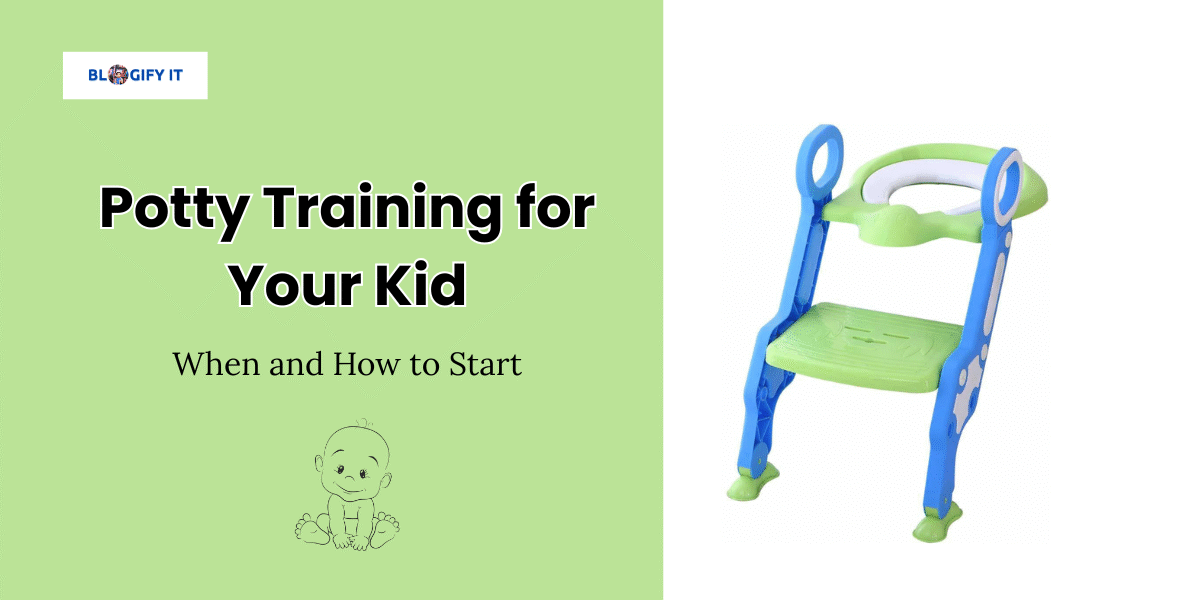
Honestly, I didn’t plan it. One day, I just felt that she was uncomfortable in diapers, and I decided to buy a small baby potty seat. At first, she used to cry even to enter the washroom. The bathroom felt like a scary place for her.
So what did I do? Nothing special. I simply started taking her with me every time I went to the washroom. I didn’t force her to sit. I just let her observe.
Gradually, she became comfortable. She stopped crying. She started sitting on the potty seat for a few seconds, then a minute, then longer.
After almost two months, something unexpected happened. One da,y she looked at me and tried to express that she needed to pee. I immediately took her to the washroom. And for the first time, she didn’t cry. She actually did pee in the potty.
That moment changed everything.
By the time she turned one year old, she was mostly potty-trained. Now at three years, she goes on her own, flushes, washes her hands, and comes out proudly. Also, she never poop on her diaper even when we are travelling. I didn’t even imagine this was possible because I always thought potty training age in India was around 2 to 3 years minimum.
Also Read: How Did You Travel With a Newborn? My First Trip Experience
Potty Training Age in India – What is Actually Right?
In Indian homes, most parents start toilet training toddlers somewhere between 18 months and 3 years. And medically, this range is considered normal.
But here is the truth that nobody tells us: there is no fixed age. There is only readiness.
Some children show signs early, some later. If your child can sit properly, walk or stand with support, understands basic words, and shows discomfort in dirty diapers, then they are already mentally and physically ready.
In many Indian families, especially joint families, elders often say, “Abhi chhota hai, mat sikhao.” And we listen. Then suddenly the child is 3 or 4, and still dependent on diapers. At that stage, habits are already formed, and potty training becomes much harder.
This is why I feel potty training in India should start with awareness, not age. Even if you don’t fully train them, just introducing the concept early makes a huge difference.
How to Start Potty Training in a Simple and Gentle Way
Potty training does not mean locking your child in the bathroom and forcing them to sit. It is more about making them familiar and comfortable with the process.
I always tell mothers: think of it as toilet awareness, not training.
When I started, I first bought a baby potty seat. I let my daughter sit on it with clothes on. She treated it like a toy. She played with it. That’s good. It removed fear.
Then I slowly started taking her to the washroom with me. Children learn more by observing than by listening. When they see you using the toilet, flushing, and washing your hands, they naturally become curious.
Over time, I also fixed certain timings. After waking up, after meals, and before sleeping. These are natural times when the body wants to go. So even if nothing happened initially, the routine helped her understand the connection between body signals and the bathroom.
Accidents happened many times. Wet clothes, messy floors, extra laundry. But I never scolded her. I just cleaned and moved on. No drama.
This is very important: never shame a child for accidents. It creates fear, and fear delays learning.
Positive reactions work much better. A smile, a hug, and a “good job” work more than any strict method.
Why Many Indian Kids Learn Late
One big reason is diapers.
Earlier generations mostly used cloth nappies. So when the baby peed, they immediately felt wet and uncomfortable. This helped them understand that something happened.
Now with disposable diapers, children stay dry for hours. They don’t feel the discomfort, so they don’t feel the need to change. This is why many kids today stay in diapers till 3 or even 4. Another reason is lifestyle. Working parents, busy schedules, helpers at home, we sometimes choose convenience over training.
Must Read: How to Manage a Newborn Alone at Home (The Real Indian Mother’s Experience)
Is Early Potty Training Safe?
This is the biggest fear most mothers have:
“What if I start too early? Is it harmful?”
The answer is simple: early awareness is safe, forcing is not.
You are not training a 6-month-old to control their bladder. You are just making them familiar with the idea of using the toilet.
As long as:
- You don’t force
- You don’t shout
- You don’t expect perfection
…it is completely safe and healthy.
In fact, it builds confidence. Children feel proud when they can do something on their own. It makes them more independent.
Final Words from One Mother to Another
Potty training India doesn’t need to be stressful, expensive, or complicated.
It just needs:
- Time
- Patience
- Repetition
- And lots of love
Every child is different. Some learn at 1, some at 2, some at 3. All are normal. But starting early makes the journey smoother. Less diapers, less mess, less stress for you, and more confidence for your child. And trust me, the day your toddler looks at you and says,
“Mumma, potty jaana hai” –
You’ll feel like you’ve achieved a parenting milestone.